Moments of Magic: Wildlife Encounters at Ongava
There was a contemplative silence among the small group of wildlife enthusiasts and photographers I was guiding. The near-paralysing intensity of the afternoon's heat had subsided to a caressing warmth. A buttery light was developing with an ever-enriching glow: the "golden hour" was upon us.
The colours of the sand, grasses and mopane leaves were subtly changing in a kaleidoscope of oranges, yellows, browns, greens and purples as the sun sank, nestling itself behind the reddening clouds that hovered over the distant hills.
Across the open grasslands, behind the mopane line, a rhino stood, peering through the bush.
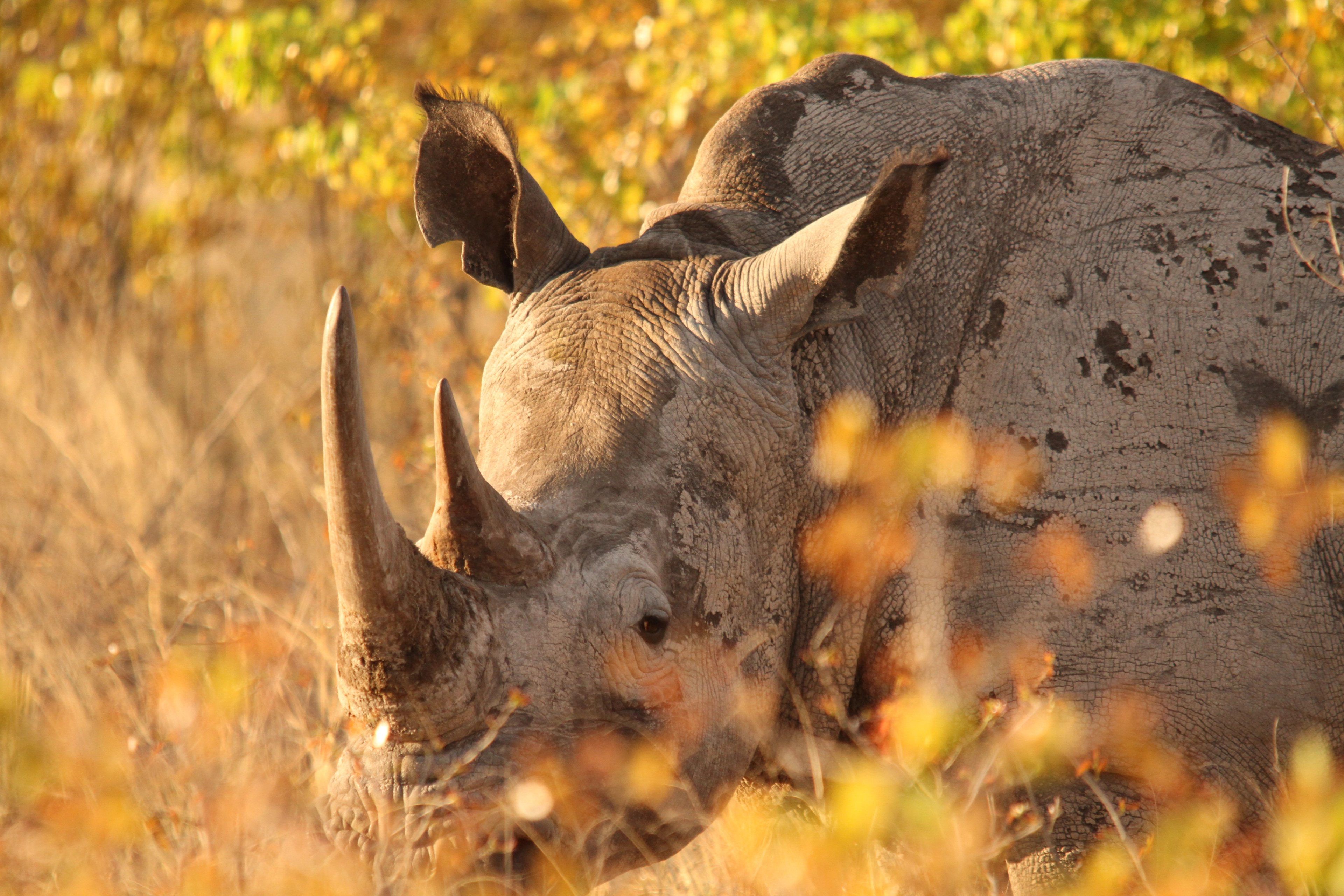
Stillness and silence surrounded us.
"Well, Nick, you've brought us to paradise," David quietly proclaimed in his soft southern US accent. He sniffed and sipped his gin and tonic sundowner. I looked at him to raise a quiet "cheers", his eyes glazed and slightly welling.
I couldn't disagree. None of us could. The moment was sublime.
That was in 2018 and my seventh year of visiting Ongava. Eighteen years before that, I was entering Namibia for the first time: on a career break, aged 26, travelling the world independently, with Africa as continent No. 1.
So profound was my first visit to Namibia that I made a vow to return as often as I could. Upon returning to the UK, only one year behind my original schedule, I changed careers and began my first job in the travel industry, managing the operations of trips to Namibia, of all the destinations in the world. Coincidence? Serendipity? Luck? I believe we make our own luck...
I travelled to Namibia regularly during those early years and, whenever visiting Etosha National Park, I would wait patiently in the queue at Andersson Gate, the southern entrance to the park, waiting for the sun to rise. As I approached the entrance, I would watch with a mixture of curiosity and envy as dark green game-viewing vehicles appeared from a private turning marked "Ongava Private Reserve", slipped to the head of the queue, and then drove smoothly into the park without delay.
Little did I know then that I would grow as familiar with and as fond of Ongava as I had of the entire country, and that it would become the setting for some of the most memorable wildlife encounters I have experienced in Namibia.
Choking on a Leopard, 2015
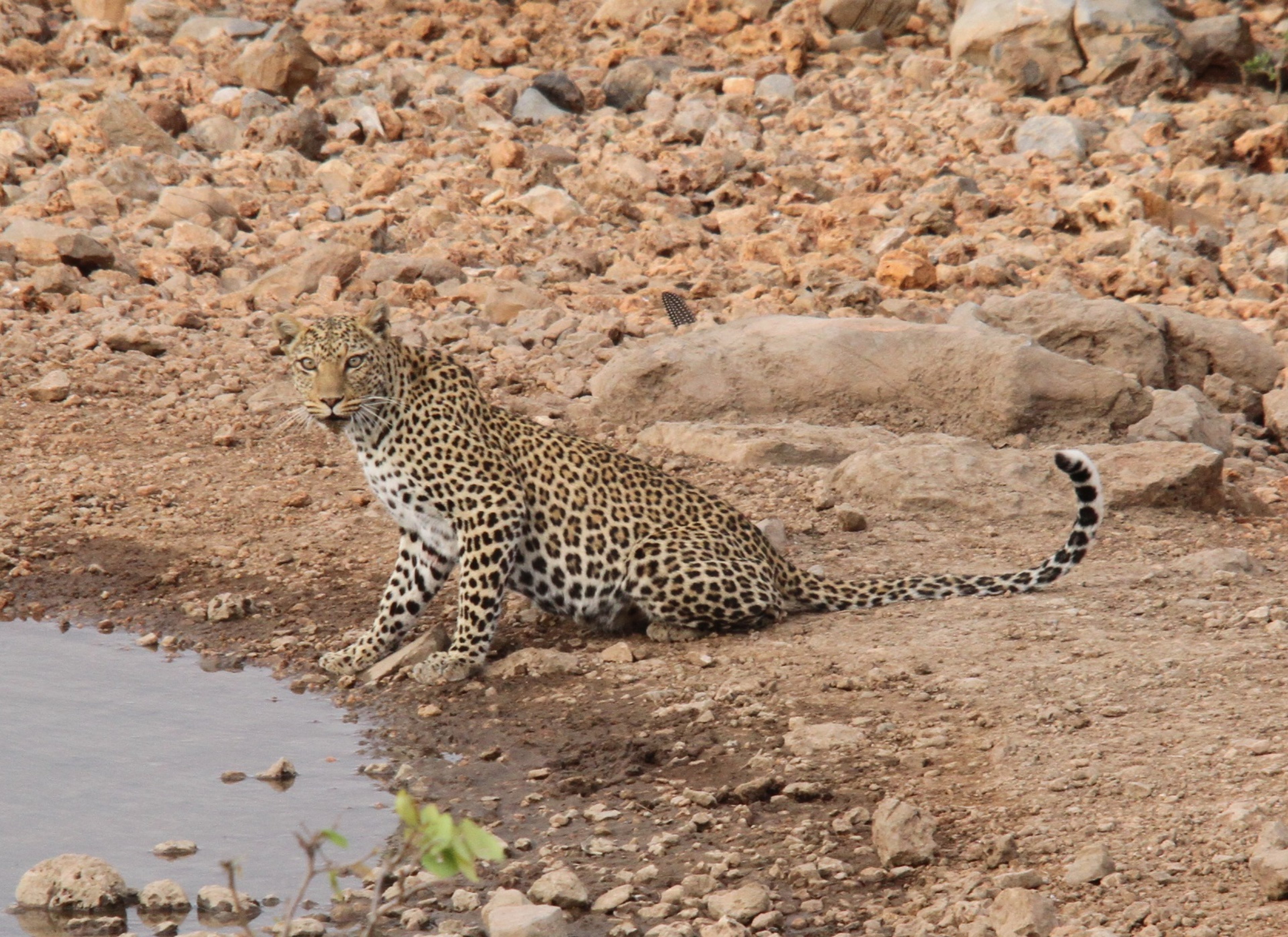
Over a fine breakfast, the group I was leading and I reflected on the many highlights of the previous few days spent at Ongava. Then, without warning, those of us still at the table were alerted to the appearance of a rarely sighted visitor at the waterhole below.
"OH MY GOD! THERE'S A LEOPARD!" shrieked Stephanie.
Choking as I swallowed.
I assure you that I could not have spat the piece of toast and marmalade from my mouth any farther if I had tried, nor moved any faster. Even before the half-chewed morsel had hit the floor, I was halfway down the accommodation path, sprinting towards two clients who had left the table to pack their bags just five minutes earlier.
Rapping on the door, I waited as Charles opened it. Through a combination of yelling and whispering (something I would never have thought possible, but apparently it is), I exclaimed, "Leopard! Come now!"
Barely 20 seconds later we were standing on the veranda of a vacated room, fitting our lenses to our cameras. My eye quickly detected the faint colouring of the beautiful creature, perfectly camouflaged against a backdrop of dry bush. My lens gave a satisfying click as it locked into place. I pulled the camera's eyepiece to my face and fired off six shots before she nervously retreated into the obscurity of the bush.
We returned to the rest of the group at the main lodge, who were still watching the beautiful creature lope almost guiltily through the distant scrub until, just as suddenly as she had appeared, she was gone.
Our breath was taken away. All of us. We stood shoulder to shoulder with the camp staff, who were equally enthralled by the rare sighting. Looking, looking, looking...
Several beats passed before someone finally spoke.
"Wow..." Stephanie said.
"Wowww..." we all agreed.
Fifteen Lions at One Kill (2016)
We gathered to say our farewells to the camp staff in readiness to leave after an amazing three-night stay. "Teacher", one of our guides, took me aside and mentioned that some lions had been sighted close to the lodge.
A kilometre or so from the lodge, we did indeed see lions, about half a dozen of them, no more than 10 metres into the bush from the trackside. Hang on... is that a giraffe carcass? I thought to myself. Whoa... there are more lions. Then I started to count.
"Ten... eleven... twelve... thirteen... fourteen... fifteen? Fifteen lions!" Incredible.
No one could believe it, and we sat and watched the scene unfold. The kill must have taken place only recently and, despite this being the result of an ambush by two prides of lions, there was no squabbling or infighting. The lions queued patiently around the carcass before taking their place in the crowd.
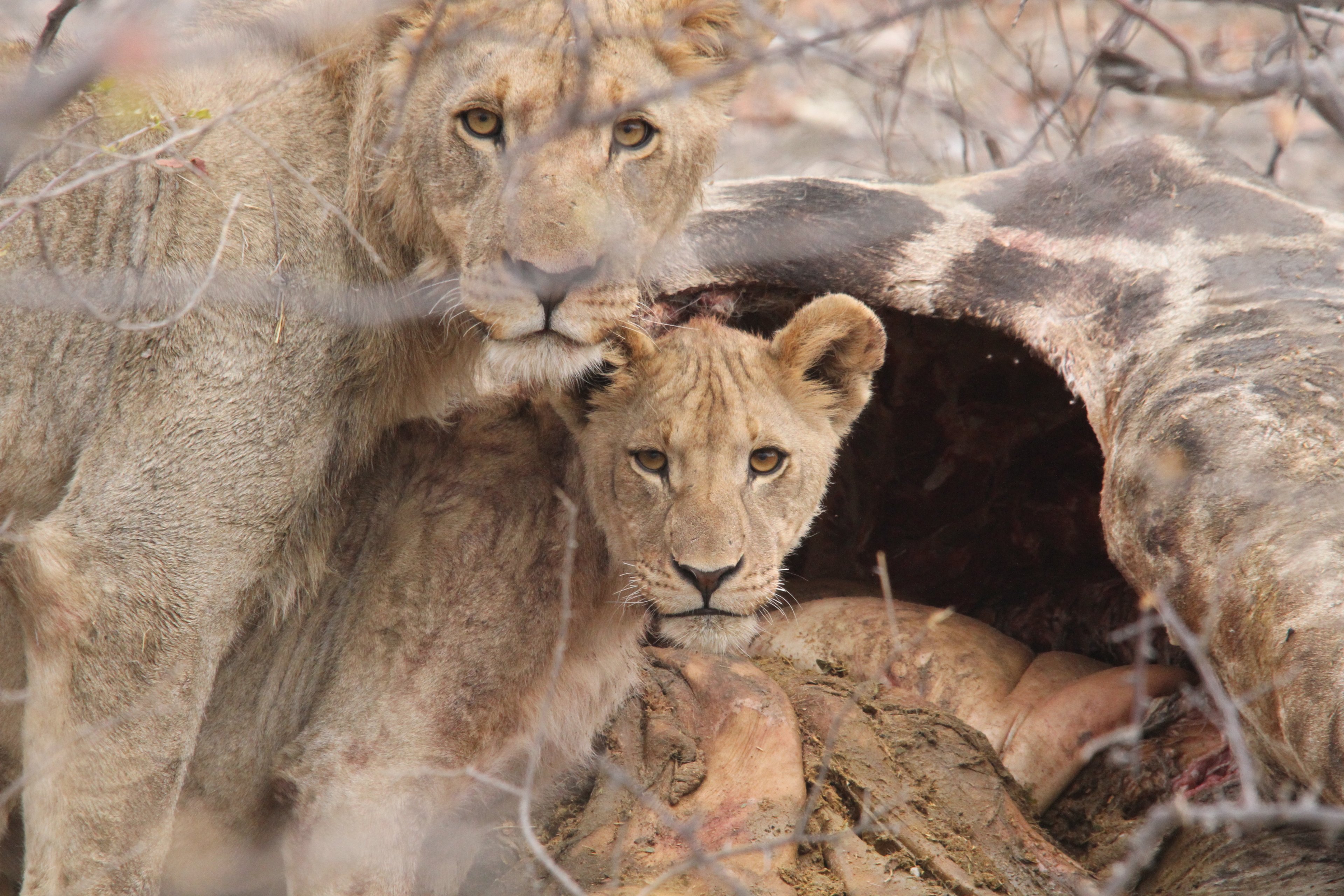
The scene was quiet and calm, but the atmosphere was highly charged. We agreed it was the same old male giraffe we had viewed the previous evening, and as gruesome as the sight was, we were all fixated. The lions were reverential in their behaviour, almost as if they were paying their respects to the fallen.
The sight, the noise, the smell: it was complete sensory overload. Beautiful, sad, and fascinating to be so close to the harsh reality of life in the wild. It was, we all agreed, a privilege.
Stealth Tactics: Some Things Cannot Be Photographed (2021)
We had finished another fabulous dinner to the incredible sound of lions roaring like V8 engines, periodically echoing around the reserve and reverberating off the hills on which the lodge is built.
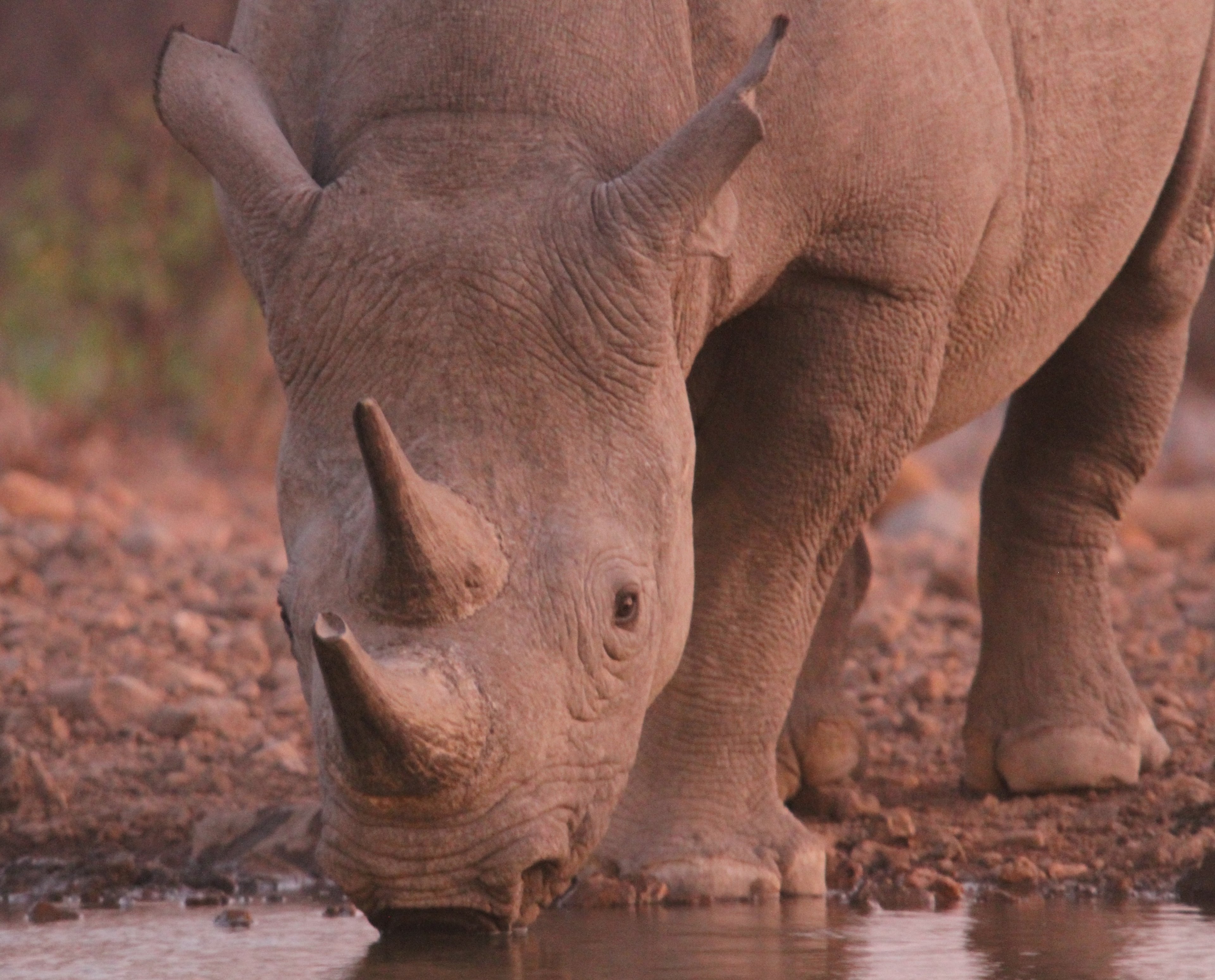
Earlier that evening, the activity at the waterhole had delivered some truly remarkable sightings of the reserve's rhinos, which make their way to the water and salt licks in the cool of the darkening evening to rehydrate after a day spent in the searing heat, before retreating with their calves back into the bush.
Having spent the meal reflecting on a remarkable three-night stay that had delivered wonderful sightings and encounters both in Ongava Private Reserve and Etosha National Park, I said my goodnights to most of the group, handing them over to one of the lodge's armed guides to walk them safely back to their rooms.
Feeling restless, I decided to pay a final visit to the hide before heading to my room for the night. It was already very late, but the last couple from my group accompanied me, also keen to squeeze as much as possible from our final evening.
Having entered the hide, we sat in silence watching the waterhole, listening and waiting for someone to appear from the wings. It was very still, not a breath of wind, and after 30 minutes nothing had arrived.
"I'll give it another 15 minutes," I said to myself, a wave of tiredness making me twitchy.
I moved from the padded highchairs that faced the waterhole directly and walked to the side window that looked into the mopane woodland, hoping to see something emerge from the murk.
Nothing.
I waited.
Still nothing.
After another silent minute, I heard a quiet snap: a distinct crack of something breaking or a stone shifting. I looked farther, deeper, eyes widening as I scanned left and right. Back and forth. Convinced something was there.
Then I saw them.
My eyes locked.
My mouth fell open.
My body froze.
Terrified to make a sound, I dared not even breathe.
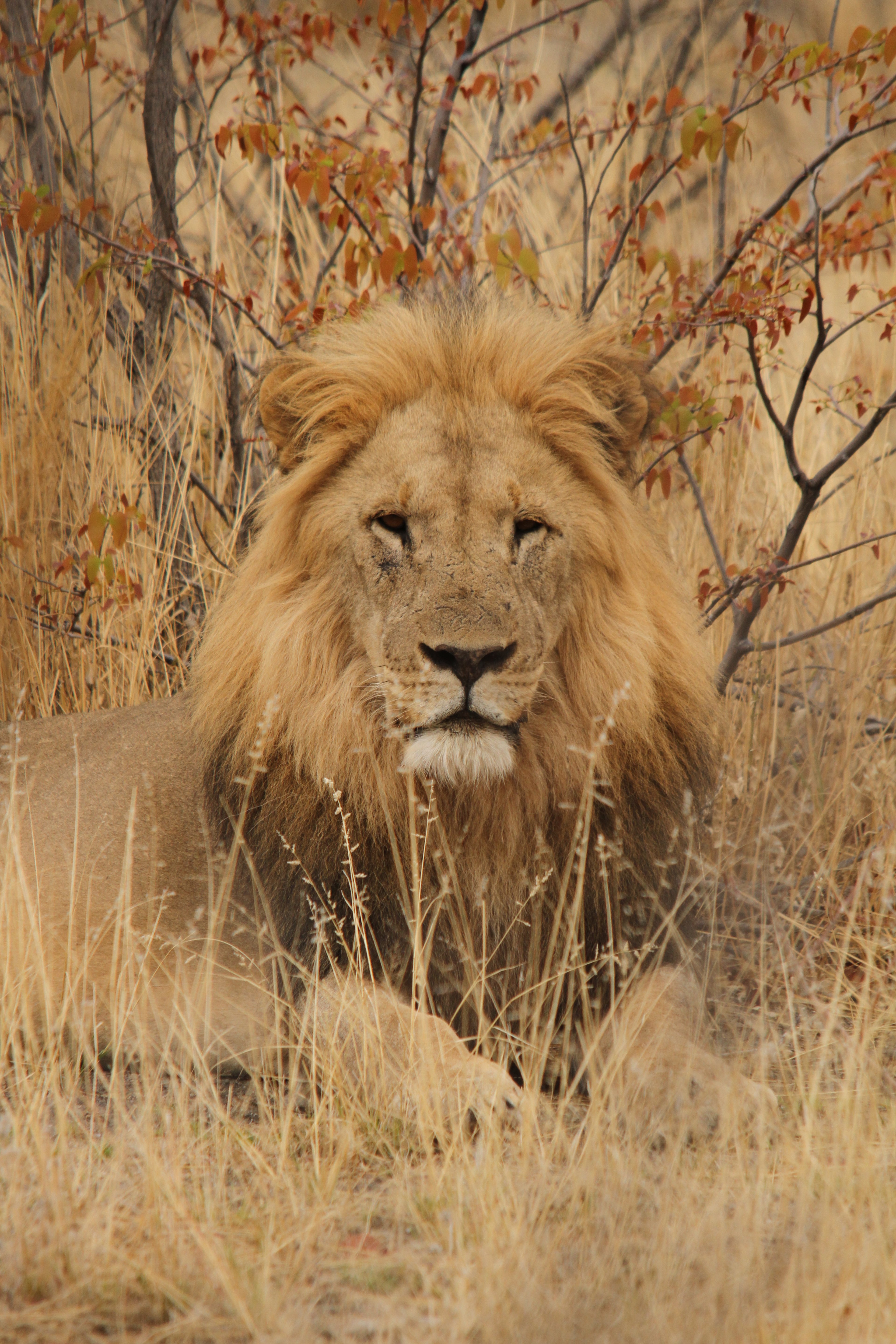
Two lionesses. Moving calmly. With conviction. Deliberate. Purposeful. Intentional. Heads level. Eyes forward. Heading for the water.
I alerted the guests with a silent wave of my left arm, pointing towards the direction in which they would soon appear, while holding the forefinger of my right hand across my lips, signalling that they must remain silent.
Walking side by side and approaching at a 45-degree angle, the lionesses continued towards the hide without hesitation. Unlike the wildlife we had watched on previous evenings, which approached the waterhole cautiously and nervously, the lionesses moved without fear.
With unwavering momentum, they passed barely five metres from where I stood, walking beneath the narrow slitted viewing window before disappearing from my field of view. Seconds later I heard the quiet gasps of amazement from my clients.
The lionesses reached the water's edge, crouched, and began to drink.
We watched. Mesmerised.
After only two or three minutes, the pair rose and turned away from the water before parting and heading into the bush in separate directions. The clients and I looked at one another and left the hide, not daring to make a sound on our way back to the lodge. When we felt it was safe enough, we released our pent-up excitement, gabbling animatedly as we shared our own versions of the encounter.
But that was not the end.
Having been safely escorted to my room by Kapona, our excellent second guide, I walked across the floor, pulled apart the veranda doors, and inhaled the night air.
Looking towards the front row of water-view rooms, I could see something moving between the buildings: only a dark silhouette, but unmistakably a mammal.
Lion. Again.
It must have been one of the lionesses I had seen just 15 minutes earlier.
I watched the table-like flatness of her back glide along the shadows of the trees in front of the accommodation. She moved steadily, not quickly, but without pausing. Her head was low and stretched forward.
For only a minute I was able to view the silhouette of her back and the top of her head as she reappeared while crossing the 20-metre gaps between the rooms ahead of me. When she became almost completely obscured by the trees, she slowed nearly to a stop. I leaned farther over the railing of my veranda, straining to my left-hand side in a desperate attempt to keep her in view. I caught one final glimpse before she vanished into the darkness.
A feeling of calm washed over me. So often, wildlife is aware of our presence and alters its behaviour accordingly. I felt privileged that, on this occasion, I had observed completely natural behaviour, where the subject was entirely unaware that I was watching her.
It remains one of the most memorable wildlife encounters I have ever experienced.
Seconds later, I heard the scramble of running feet and skidding stones among the rocks and dried scrub, followed by the strangled, high-pitched cry of a small animal struggling for its last breath. Somewhere close by, the bush had just delivered its other truth, the one that doesn't make it onto the highlight reel. I stood at the railing a while longer before I went inside.
Why I keep returning
The setting The setting alone would be enough. The lodge sits high in the Ondundozonanandana Mountains, looking out over a reserve that, across the years I've been coming here, has only grown: roughly 30,000 hectares when I first started, larger again now.
But it was never really about the view. It's Adriano, keeping the whole operation running so smoothly you'd never notice the effort behind it. It's Teacher and Kapona, whose years of guiding and anti-poaching experience are what make nights like the one in the hide possible at all. It's the rooms, the afternoon drives, the waterhole, and that hide, which has given me more than any camera ever could.
I've lost count of how many times I've been back. Not one stay has repeated another, and not one has fallen short.
That's the trick of the place, if there is one. It doesn't get easier to leave. Every visit adds to the last, and I'm already working out when I can return.
Photography: Nick Joynes
share
Related Posts


Subscribe to Ongava
Get the latest updates. News about Ongava, offers, our conservation efforts and much more.
By loading this form, I agree to having my personal and contact information processed and used for the purpose of marketing communications. For more details, visit our Privacy policy